
Helping Ford detect warranty anomalies earlier to prevent costly vehicle buybacks.
.png)
Product Designer
PM · 4 Engineers · Data Scientist
Miro · Adobe XD
Sept 2021 – March 2022
Shipped ✓
Automotive · Enterprise
Under the Lemon Law, Ford must buy back vehicles with unresolved defects — roughly $450,000 each. Quality analysts were responsible for identifying patterns before cases escalated, but investigations were fragmented across spreadsheets, manual exports, and traditional knowledge
"We spend hours just figuring out which issues to look at first — and by the time we find the right data, it's already outdated."


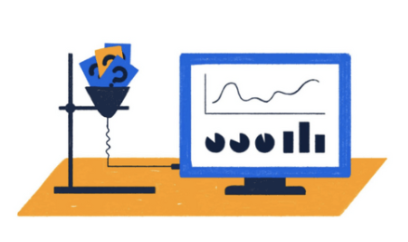
Initial thinking suggested analysts needed more flexible data exploration. Observation revealed the opposite — analysts were overwhelmed by too much data and no signal about what required attention first.

Before wireframing, I defined two guiding considerations to keep design decisions focused and aligned with what analysts actually needed.
Provide users a better information structure to help them investigate issues without getting lost in the data.
Provide users with actionable data tables and plots to help interpret warranty data faster and with more confidence.
Every screen was designed around a specific user decision — how to scope an investigation, what signals to surface first, and how to drill down without losing context
Users subscribe to specific vehicle programs and model years before analysis begins. This prevents information overload and keeps investigations focused from the first interaction.
Anomalies are ranked by frequency and repair order duration, helping analysts identify patterns without manual sorting.
Users can drill into defect patterns across vehicle programs and manufacturing years — with filters accessible but not competing with the primary signal.
